
Research
Initial Research
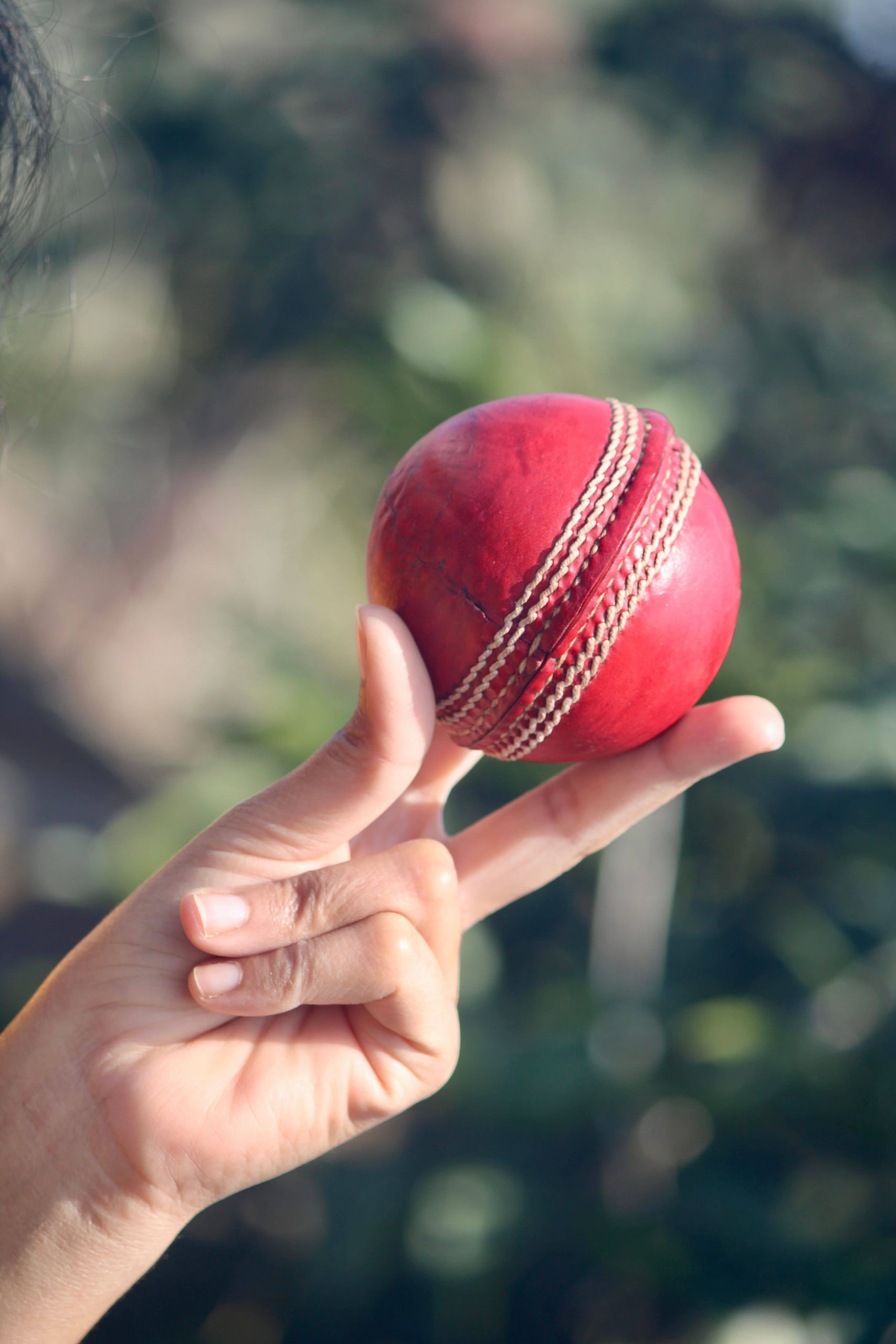
Creating a cruelty-free cricket ball requires replicating the traditional 3.5mm thick, rubber-like outer shell and its tight, natural collagen binding. The inner core consists of cork, jute string, and compressed cork.
Finding a Partner
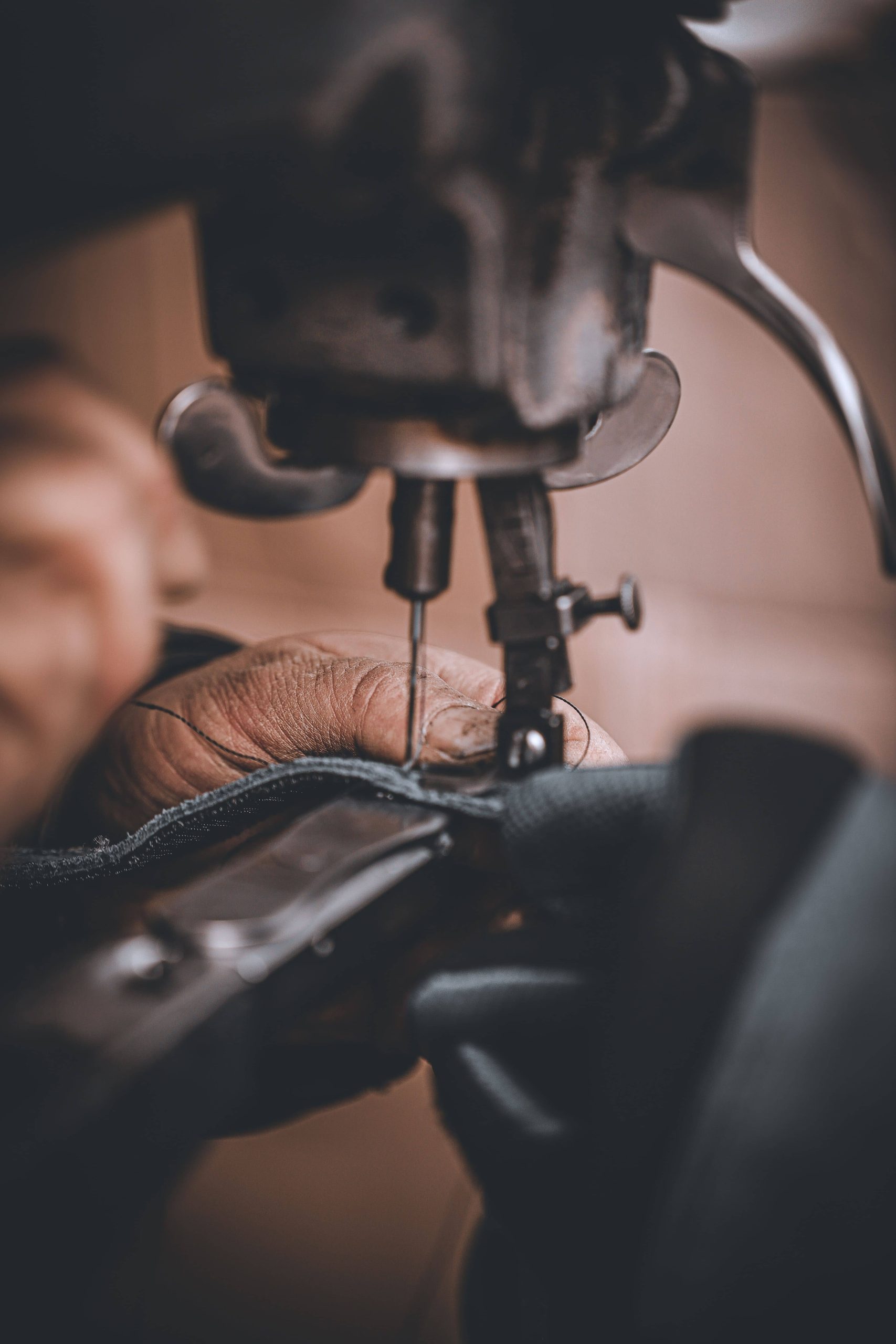
To understand the material and manufacturing process of cricket balls, I started contacting vendors in Meerut, India. Luckily I stumbled upon a young innovative entrepreneur who agreed to collaborate with me. He explained to me the critical leather properties I needed in order to replicate animal-hide.

Market Research
The search for alternative leathers revealed that most commercial options are optimized for flat, rugged goods like car seats and jackets. To find a viable cricket ball material, the strategy shifted to isolating one or two performance variables at a time, sourcing specific samples, and sending them to Pramesh Bhai for testing and prototyping.
The First attempt
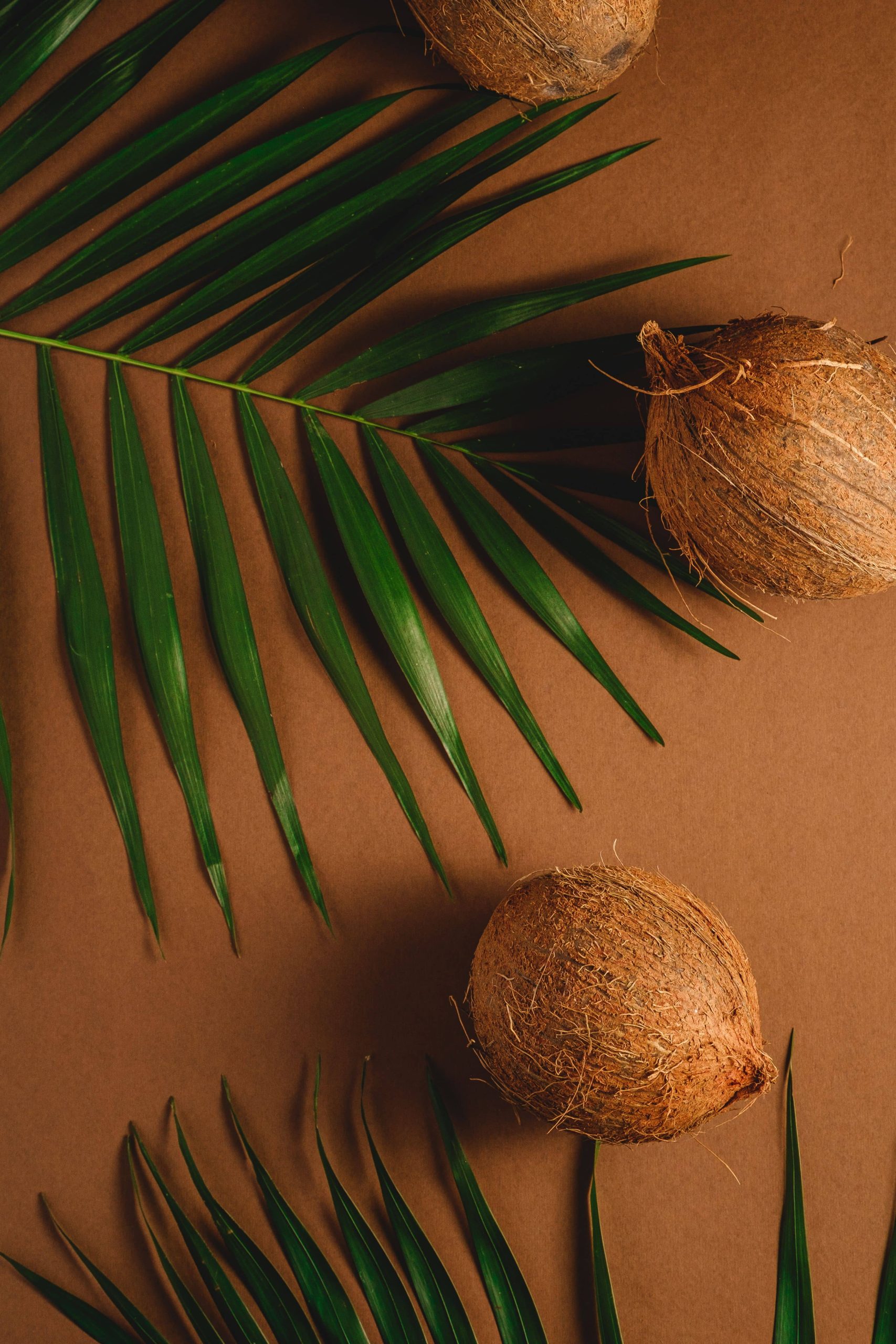
Coconut leather made from fermented wastewater and coconut fiber offered a sustainable, plastic-free alternative, but failed firstly because of its inflexible and unmoldable texture. Secondly when it was heat treated it became too brittle to mold into a sphere.
The Second attempt
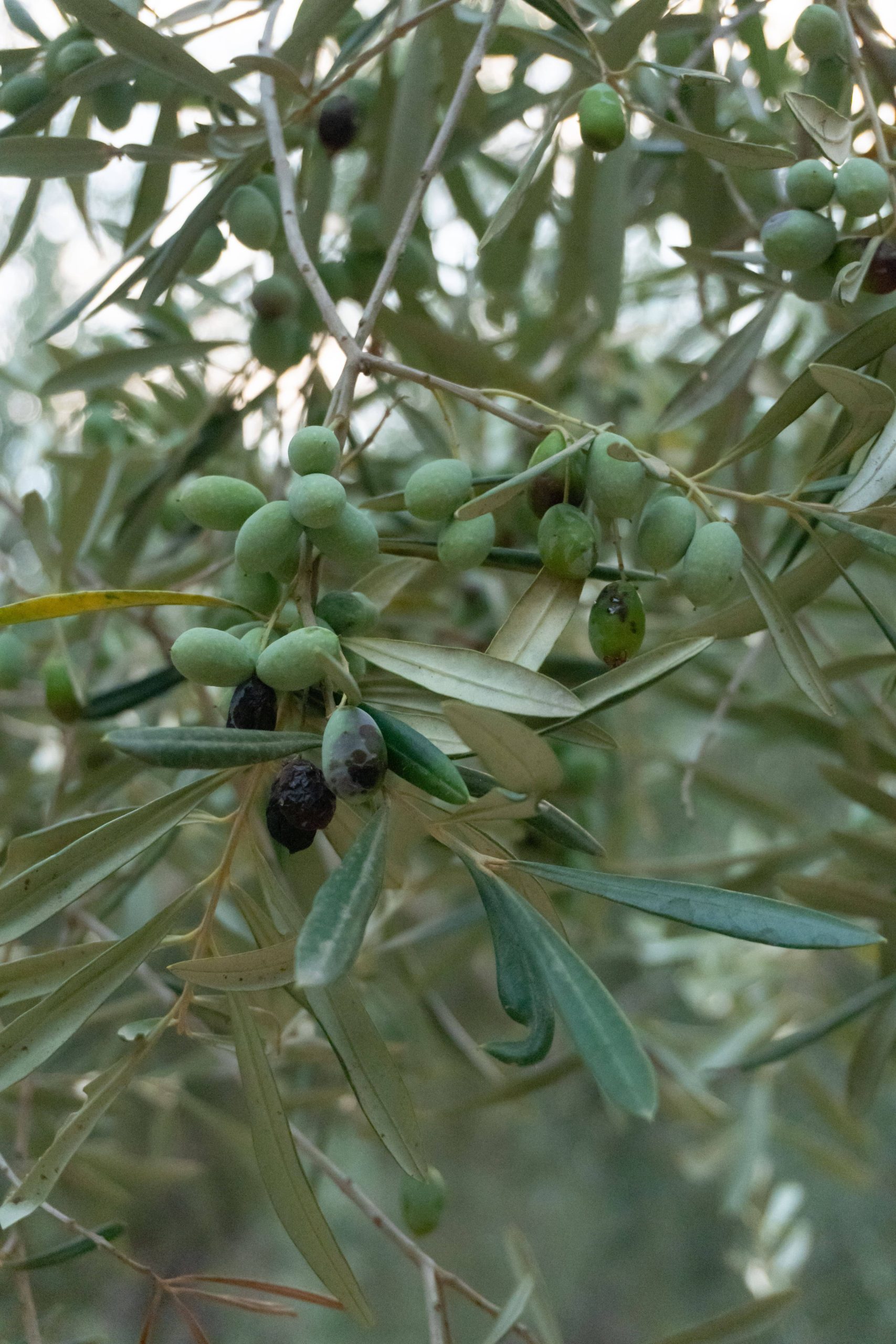
Olive leather made from upcycled olive industry waste offered better flexibility and zero odor, but failed because it was too thin. Even after a ten-week process of doubling the layers with glue, the material lacked the necessary thickness and moldability.
The Third attempt
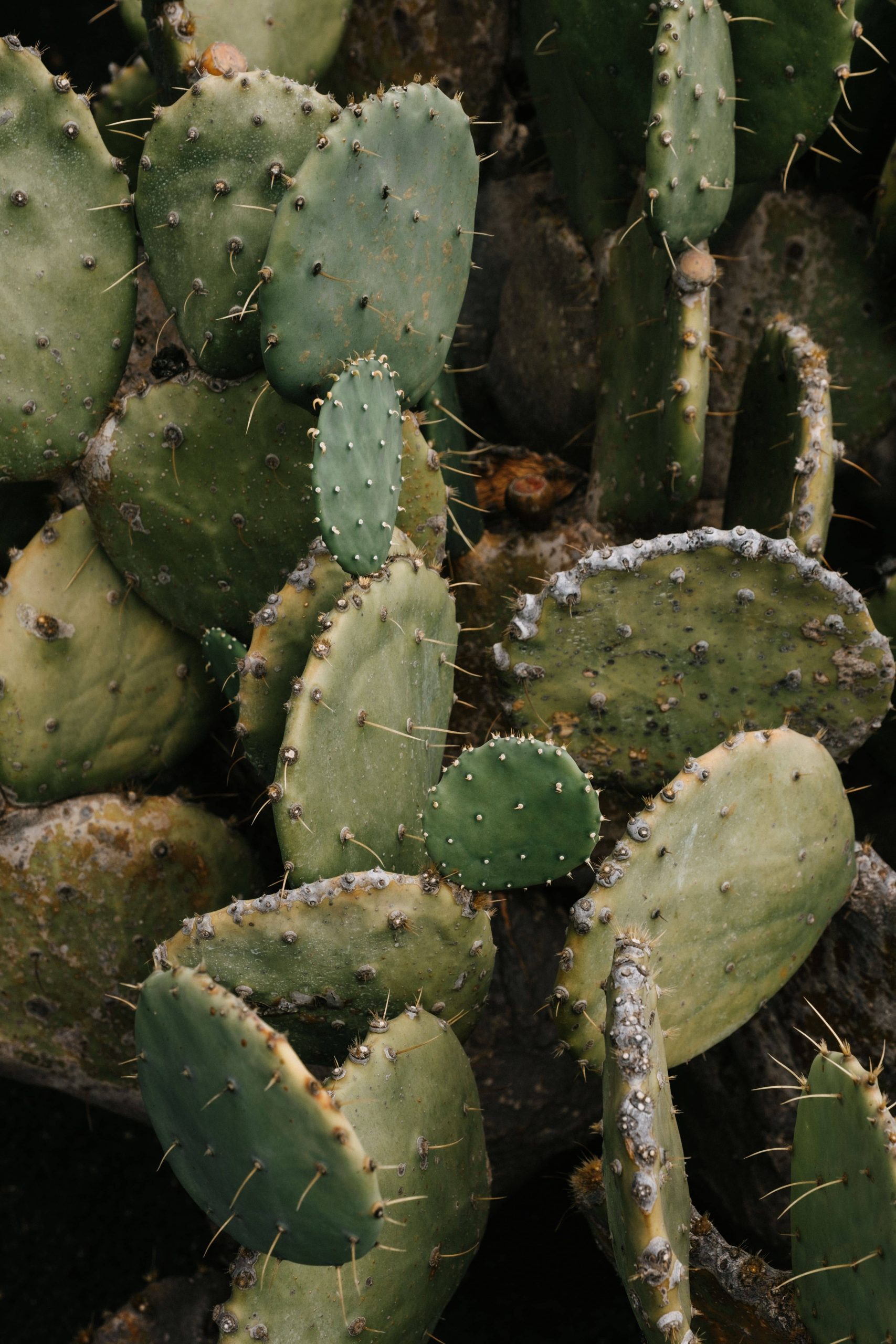
Cactus leather offers industry-leading durability and abrasion resistance that matches animal leather in appearance and smell, a finding backed by my Gold CREST Award-winning research published in the International Journal of High School Research. However, the material still failed to form a cricket ball because it lacked the natural collagen and protein elasticity required to mold under heat and pressure.

The Fourth attempt
To avoid animal cruelty, polymer-based Aurora Faux Leather was tested as a non-animal alternative. Despite an eight-week international trial of doubling the material, it failed because it was overly flexible, and lacked the structural durability required for a cricket ball.
The Fifth attempt
The fifth attempt did not completely fail, as it yielded our first physical prototype. While the lack of thickness and moldability meant the shape, size, and seams were not as flawless as traditional leather, it gave us a vital opportunity to really understand the engineering problem well and provided a tangible foundation to build upon.


Next Steps
To solve the core engineering challenge of replicating animal collagen, the project is entering its next phase to achieve a 100% sustainable, biodegradable, and perfectly spherical and functioning cricket ball that is at par with an original animal-hide ball. This phase focuses on testing dense, tangled networks of mycelium (mushroom) leather and collaborating with biotech labs to engineer a custom, bio-fabricated plant or lab-grown composite that stretches and molds under heat without tearing.
Material Evaluation Matrix
This matrix breaks down our hands-on testing of five alternative leathers to replace animal hide. It shows the upsides, timelines, and exact reasons why each material—from coconut to polymer—failed or partially worked. Every single trial helped us really understand the problem and shaped our award-winning research.
