
My Research Journey
Initial Research
Understanding the structure of a cricket ball

To take the first step toward constructing a cruelty-free cricket ball made from non-animal leather, I had to first understand the structure and construction of a traditional cricket ball. To do this, I dissected a cricket ball in my own backyard using a simple cutter.
It was not difficult to cut the ball at the seam into two exact halves. I knew that the ball was made of leather on the outside and it felt like stone or metal inside. However, after dissection, I found that the leather, which I had imagined to be like the leather used for a wallet or a shoe, was nothing like it. It was 3.5mm thick, and I wondered if the leather was bound with some other material.

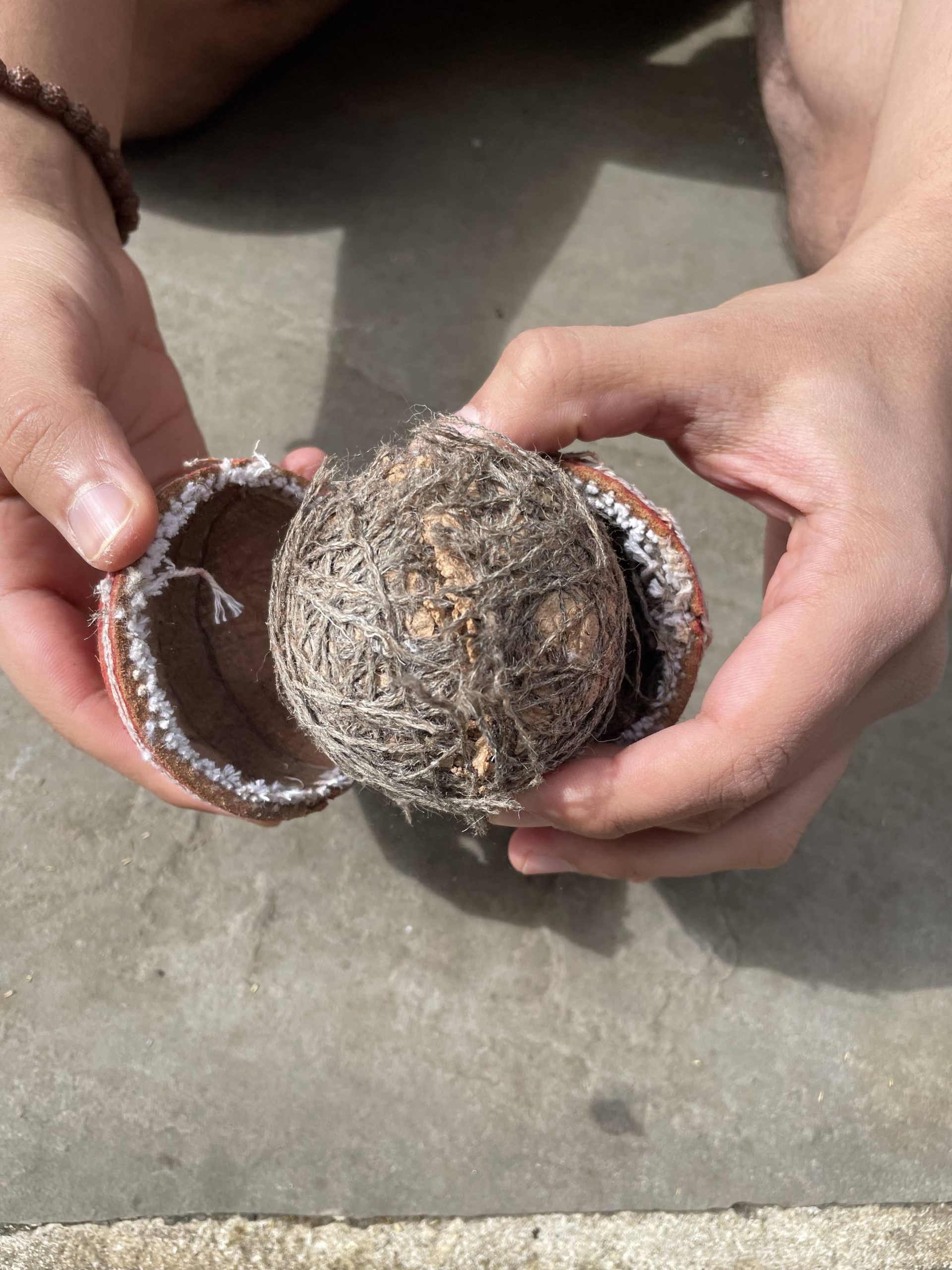
It almost felt like a thick, layered cup that had the texture of rubber but, unlike rubber, was difficult to tear or crack, and was held together more due to the collagen and protein, just like skin. Inside the ball, I found a completely different set of materials from what I had imagined—no stone or metal, but naturally colored, coarse textures. There was cork, jute string, and what my mother thought were cardboard crumbs, which I later found out was just the cork that had become compressed and crumbly due to the impact of hitting the bat.
Finding a Partner
Understanding the material and manufacturing process
My next step was to speak with some specialists from the cricket ball manufacturing industry. For this, I identified six manufacturers in Meerut, an Indian city known for its leather tanneries and a cricket-ball manufacturing hub of the world, and started contacting them.


This was a time-consuming process, given the time difference between the UK and India and the demands of regular school and sports life. This is where my grandfather came in. He became the middleman to help navigate the time difference, but to be honest, I was thankful because Hindi is not my specialty—at least not yet. Most of the manufacturers started to avoid us once they realized that they weren’t going to get a big order for cricket balls from us. But then we came across Pramesh Bhai, a young entrepreneur, innovator and founder of Enna Sports.
Leveraging his local contacts at the tanneries, he explained the specific properties of animal-based leather that were critical for me to replicate. He suggested that I begin my research by identifying material on the thicker side and start sending him samples for him to assess.

Market Research
Existing cruelty-free leathers on the market
Hence, the search began for the perfect material. I contacted alternative-leather manufacturers across Kerala, Meerut, Kanpur, Mexico, and London to analyze their product specifications. Sourcing these materials proved to be a major logistical challenge. Due to shifting time zones, customs clearances, and the final transit to Mumbai for Pramesh Bhai's prototyping, each iteration took a significant amount of time.


Furthermore, many suppliers were hesitant to provide small-scale samples, often demanding to know exactly how their materials would be used. The entire process ended up being highly expensive, with the shipping costs frequently outpricing the material samples themselves.
Most materials I found were highly durable and rugged—better suited for car seats, belts, bags, and jackets than my specific needs. To keep the development manageable under these constraints, I focused on testing just one or two performance variables at a time.
The First attempt
Coconut Leather
When I first received the sample of coconut leather, I was amazed that fermented wastewater combined with coconut fiber could produce such a durable material.


Research showed its versatility spanned shoes, bags, accessories, and even rigid surfaces like tabletops, eyeglass cases, and rolled blinds. Crucially, unlike chemical-laden, non-biodegradable animal leather, this material was 100% biodegradable and entirely free of plastics or polymers—all while retaining incredible strength and shine. It had an earthy husky aroma, perhaps due to the fermentation process it had been through. Even then, it held the potential to create a completely biodegradable ball.
However, its rigid texture made me question how it could ever be molded into a sphere. Another critical issue was its thickness; even when layered double, it only reached close to 2mm. To construct a durable outer ball layer, we required a thickness of 3.5mm or more.
Hoping to overcome the forming challenges, Pramesh Bhai suggested a custom heat-treatment process. Coordinating this experiment took six weeks across customs clearance, international transit, and scheduling. Unfortunately, the material failed to respond to the heat as hoped, turning brittle under temperature and proving unviable for our needs.
Find more details about our journey with this material on Instagram.

The Second attempt
Olive Leather

Before opening the package containing the olive leather sample, I imagined receiving a thick, moldable, and rubbery material—something akin to a chewy olive or a prune. Instead, I discovered a sophisticated, soft, and structured fine-grain leather crafted from agricultural waste, specifically olive seeds, leaves, and pomace.
Boasting up to 91% bio-based content, it repurposes industry waste that would otherwise be discarded, significantly reducing the carbon footprint compared to petroleum-based alternatives. Unlike the earthy, husky aroma of the coconut leather, this material was entirely odorless, far more flexible, and highly bendable. However, despite being 100% vegan, the backing had an artificial, velvety feel.

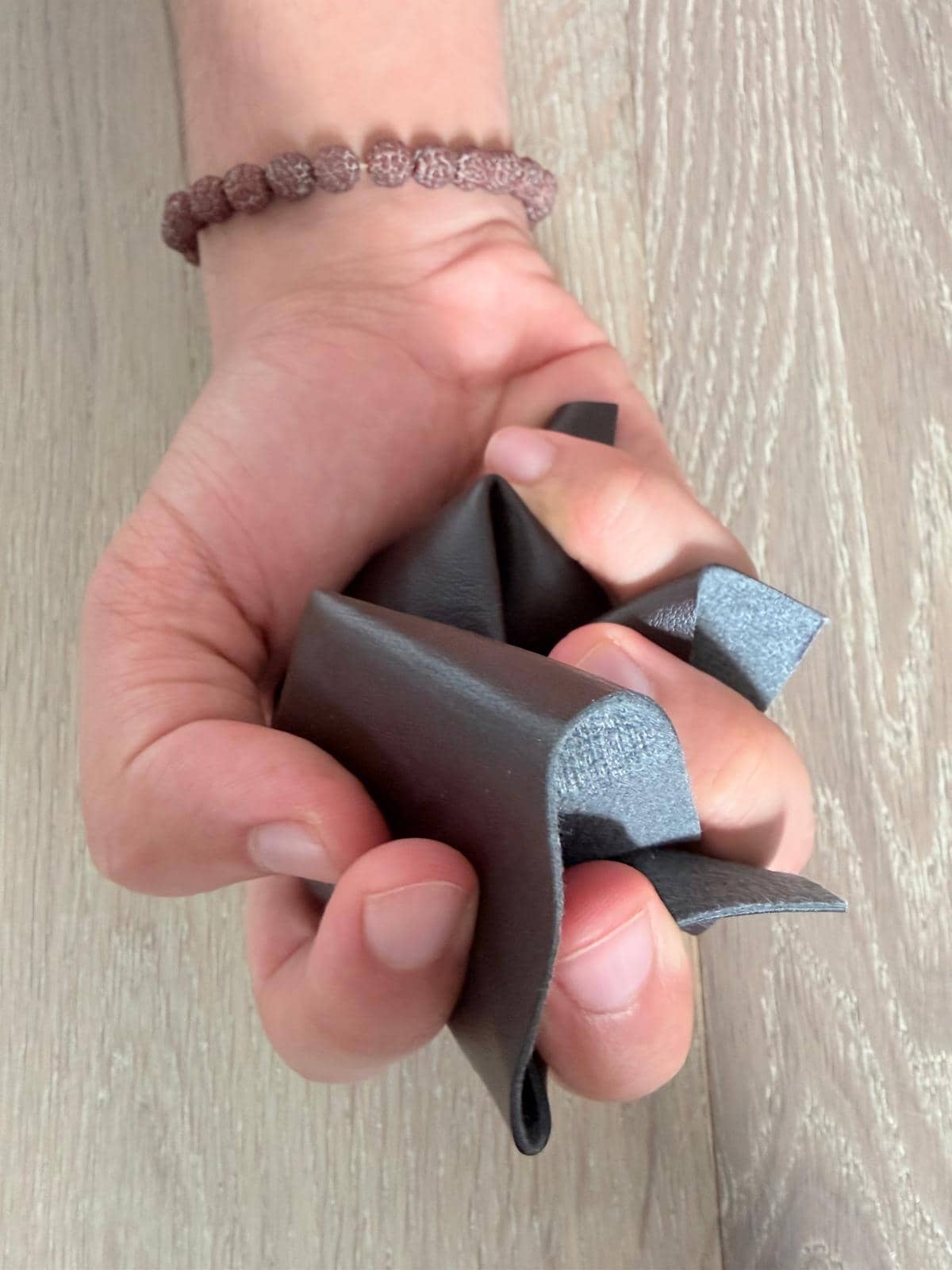

The biggest hurdle was its thickness, which was even lower than that of the coconut leather. Even when doubled, the material still measured less than 2mm. This fell far short of our requirement for an outer ball layer, which demands a thickness of 3.5mm to 4mm.
To overcome this, Pramesh Bhai suggested laminating two layers together using a glue or resin binding agent. Executing this experiment took ten weeks, factoring in international logistics, precise gluing, and extended drying times. Unfortunately, the attempt failed. The combined material still lacked the necessary thickness and moldability to form a proper sphere. Discover more about this attempt on Instagram.
The Third attempt
Cactus Leather and Award-Winning Published empirical research
A few years ago, while walking through Camden Lock with friends, I stumbled upon a small workshop nestled within a row of eclectic shops. It was a custom leather apparel and accessories store called Cactus Leather, complete with a green cactus plant as its logo. Browsing through the leather jackets, hats, and boots, the store gave off a distinctly rugged, Midwestern vibe—the kind that made me imagine riding a horse through a Texas ranch.
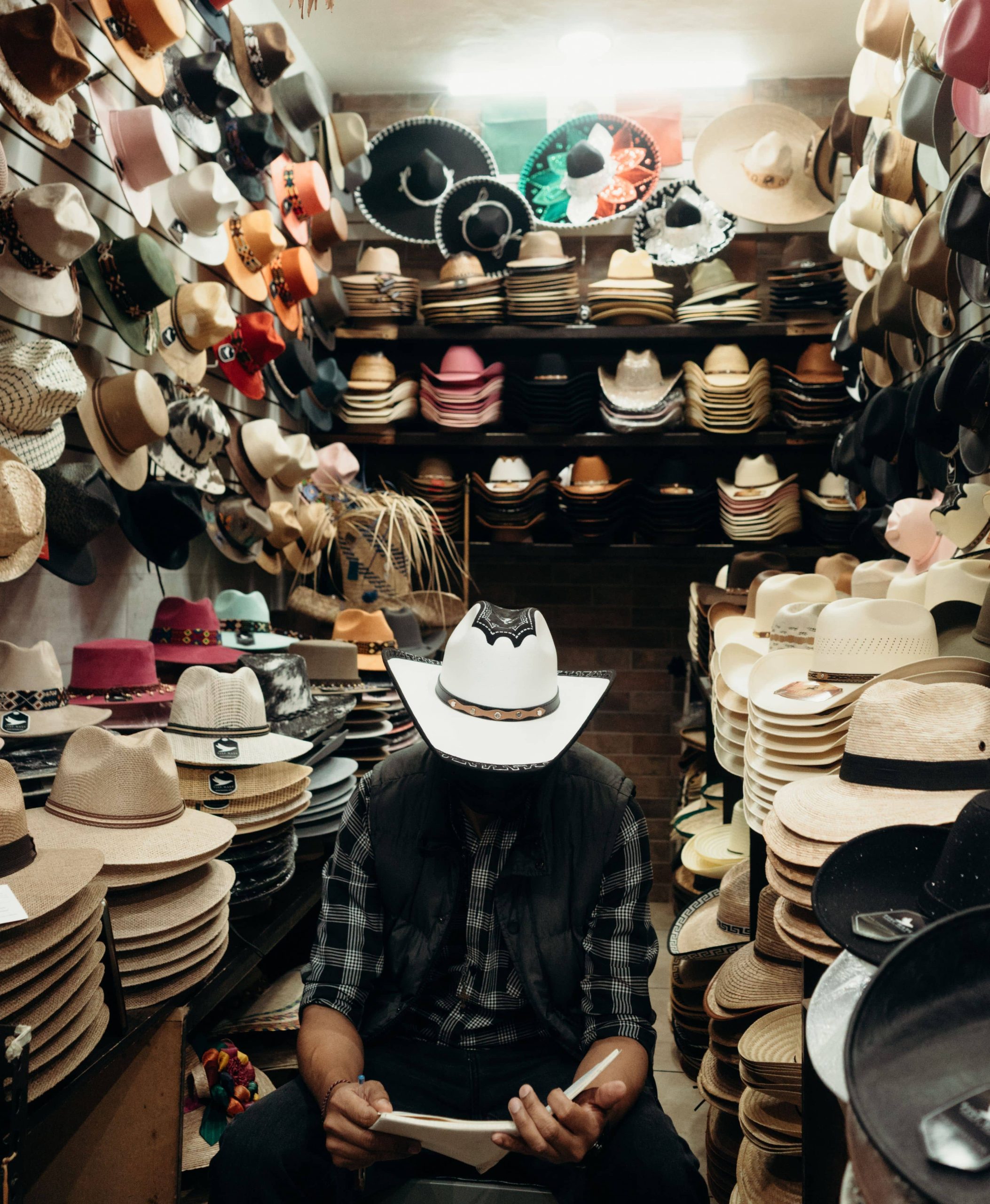

It was only recently, when I began researching alternative materials, that I realized "Cactus" was not just a clever brand name. The leather was, in fact, literally made from cactus plants.
Hoping to reconnect, I called the shop's owner, Jo, only to learn he had since closed the storefront. Fortunately, Jo had relocated to East London and still kept samples at his workshop. When I went to collect a cactus leather sample, I asked him about his preferences when working with different materials. In response, he laid down two unmarked pieces of leather and challenged me to identify them. It was incredibly difficult; the only real giveaway was the distinct, earthy smell of the animal-based hide. The cactus leather was entirely odorless.
On almost every other metric, the two were very similar. Jo even noted that cactus leather could be significantly more durable than its traditional counterpart. It was easily the most moldable material I had encountered so far, making it the first option I could genuinely visualize working as the outer layer of a cricket ball.


This revelation gave me a massive burst of confidence, prompting me to investigate cactus leather as our primary choice. Before diving into prototyping, I committed to formal, rigorous research to see if it stood a chance. I launched a comparative study that was later published in the International Journal of High School Research and earned a Gold CREST Award.
My findings confirmed that cactus leather offers superior abrasion resistance compared to animal leather.
Yet, despite its incredible durability, we hit a familiar wall: it was still impossible to craft a cricket ball from it. Structurally, the material was far too thin, measuring just 2.1mm even when doubled. Furthermore, it lacked the necessary elasticity and moldability. Traditional animal hide possesses natural collagen and protein structures that allow it to stretch, give, and reshape when subjected to the intense heat and pressure of ball-crafting. This specific structural elasticity was entirely absent in cactus leather.
Discover more about this stage of our research on Instagram.
The Fourth attempt
Aurora Faux Leather

Having exhausted most of the popular plant-based options, I turned my attention toward polymer- and plastic-based leathers. Although I knew these materials were neither sustainable nor biodegradable, they still aligned with my core goal of avoiding animal cruelty. During this search, I came across Aurora Faux Leather, which closely mimicked conventional animal hide. It featured a textile base with a crushed grain face designed to replicate the texture of traditional leather.
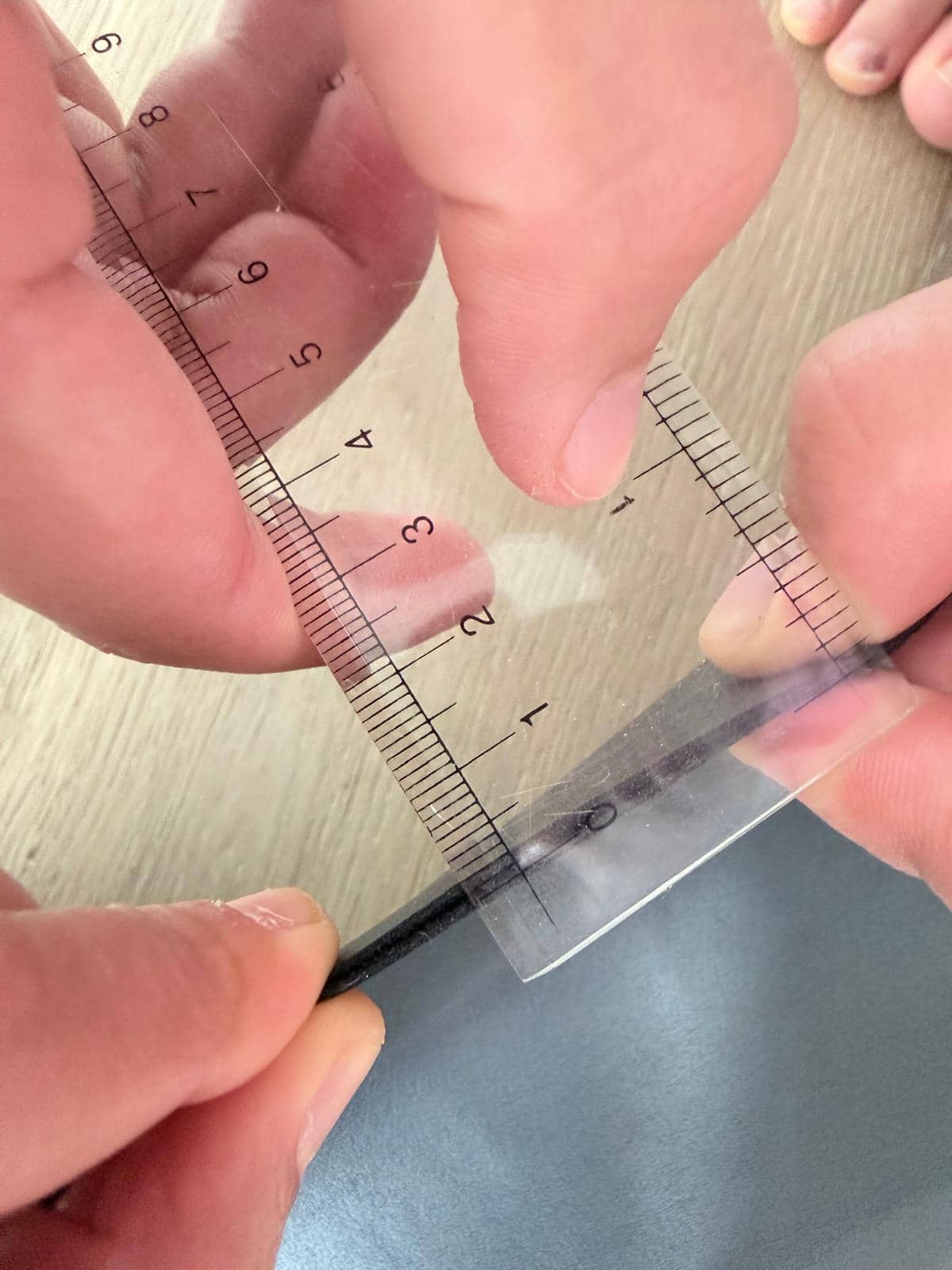
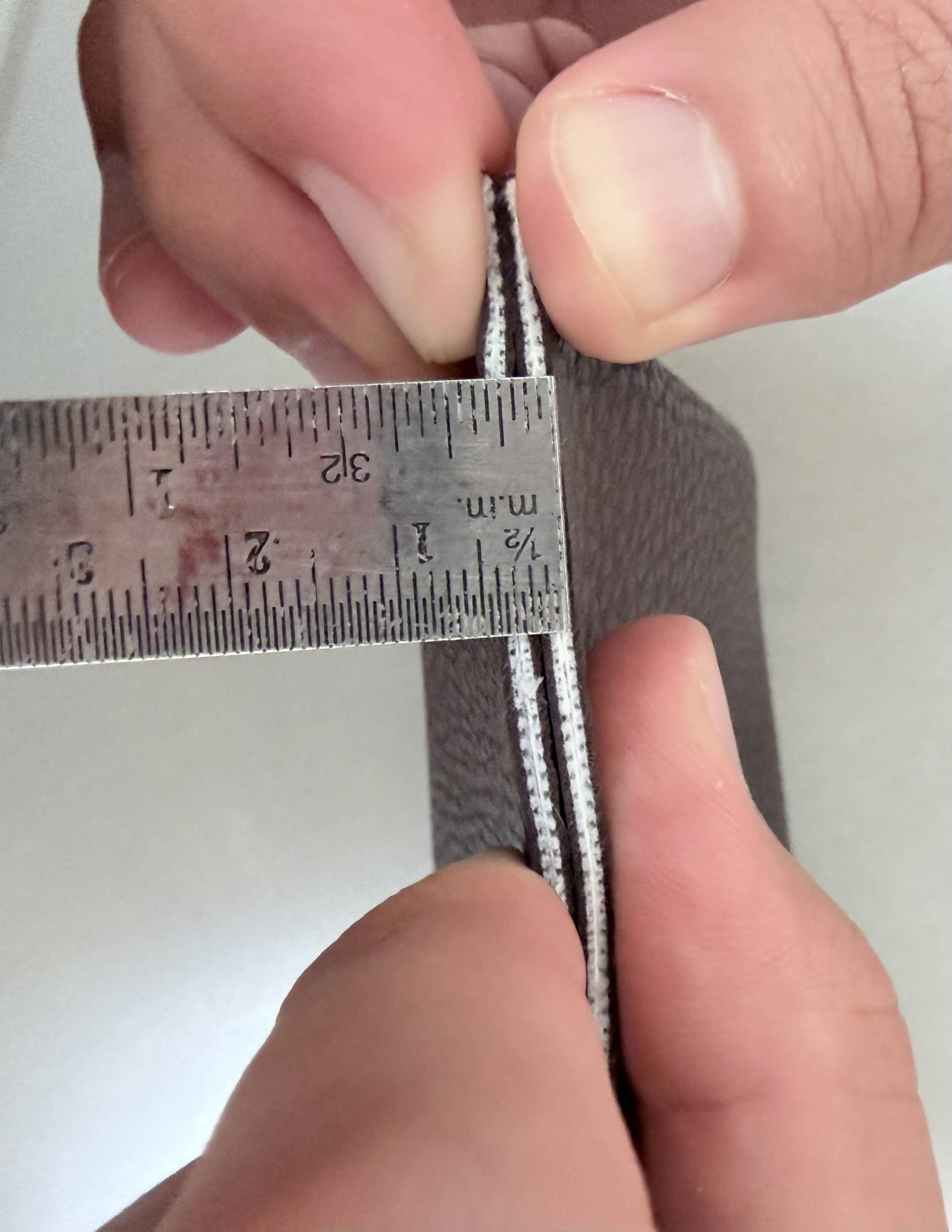
It was time to put this to the test. When doubled up, the Aurora Faux Leather actually achieved our required thickness of 4mm. We initially thought that pairing the material with a thick backing would finally grant us the exact physical dimensions required for a cricket ball. However, while we now had the necessary thickness, the material desperately lacked moldability.
We quickly learned a frustrating lesson in material science: a material that is too flexible is just as difficult to mold as one that is too rigid. Achieving a high-quality, permanent mold requires a certain structural durability and resistance to stress. Because the Aurora leather possessed an extreme, unmanageable flexibility, it completely lacked that inner strength and could not hold a tight, spherical shape. This entire trial took eight weeks, which included sourcing the leather in the UK, shipping it to India, and laminating the layers to meet our structural specifications.
Discover more about this attempt on Instagram.
The Fifth attempt
PVC - Prototype 1.1 and 1.2

Our fifth attempt yielded our very first physical prototype. For this trial, we turned to a PVC leather sourced from a sustainability-oriented company in Kanpur. Unlike our previous attempts, this material actually possessed the desired thickness right out of the box and offered promising durability. However, it still lacked the precise moldability of traditional animal leather—this time because it was far too soft.
Despite this limitation, we refused to give up. By adjusting our patterns, cutting the material differently, and employing specialized hand-stitching techniques, Pramesh Bhai managed to construct our initial prototypes of a cricket ball. While this PVC leather was slightly more moldable than the Aurora faux leather, its softness remained a critical flaw. Because the material was so soft, the tension from the hand-stitching pulled right through the fabric, causing the stitches to tear open small holes along the seam. Furthermore, if you have ever held a traditional cricket ball, you know that its surface is stone-hard and unyielding. Ultimately, this material simply wasn't rugged enough to match that standard.
Even though the lack of true moldability meant the final shape, size, and seams were not as flawless as traditional leather, this attempt was far from a failure. It gave us a vital opportunity to thoroughly understand the complex engineering problem at hand and provided our very first tangible foundation to build upon.

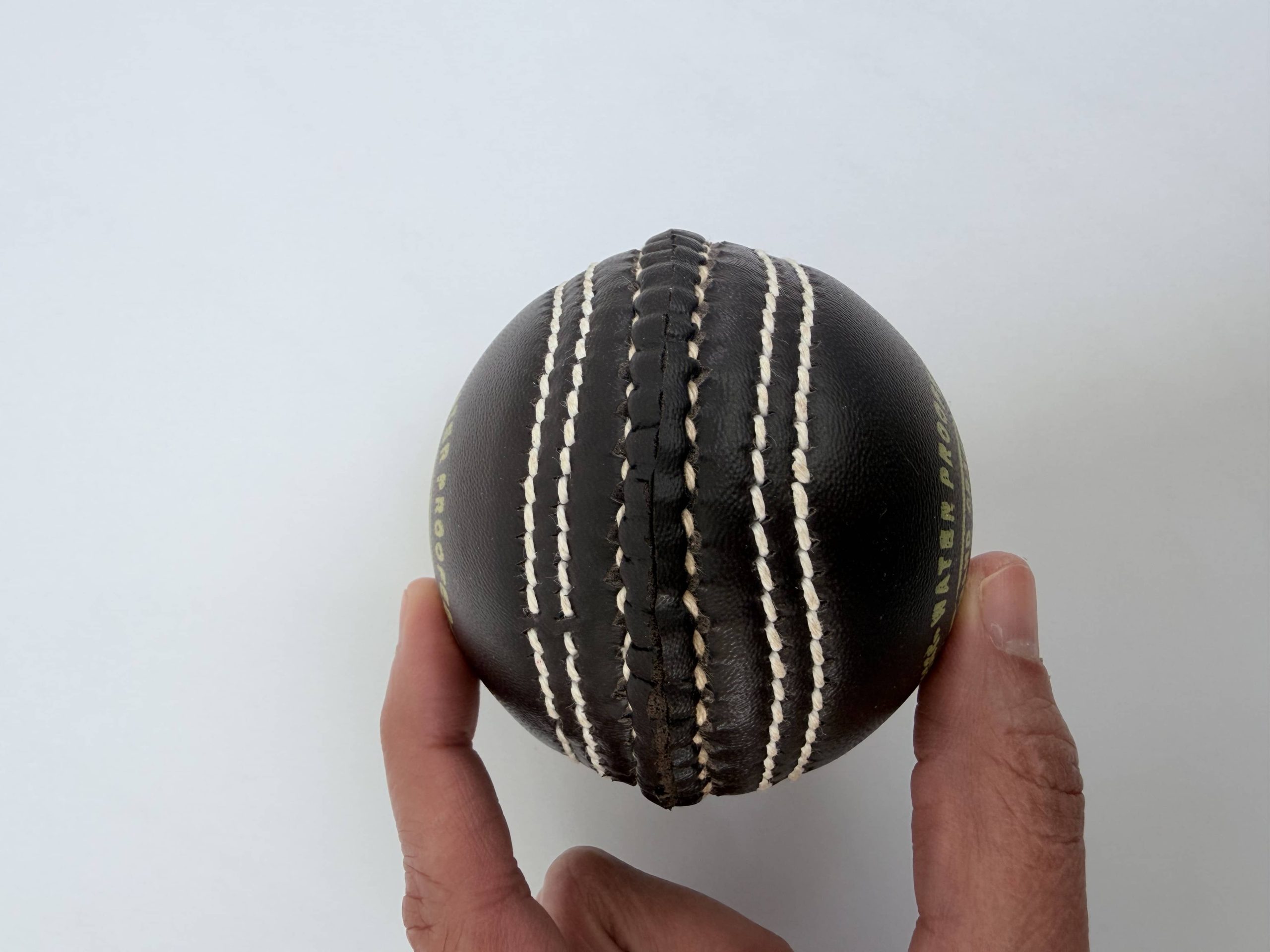
Armed with these insights, we sent our detailed feedback back to the Kanpur supplier. Intrigued by the challenge, their team wondered if they could alter the formulation by adding a stiffening agent to give the material the rigidity and moldability we needed. The supplier modified the composition and shipped over a new, updated sample. With this revised material in hand, we immediately went back to work and constructed our second prototype.
If you observe this second version carefully, you can see visible progress. The new stiffening agent allowed the ball to hold a slightly better, truer spherical shape. More importantly, the sturdier compound meant there was far less structural damage to the material around the seams, with the outer layer finally resisting the immense tension of the hand stitching.
Discover more about this attempt on Instagram.
Next Steps
Moving forward, the main engineering puzzle is trying to replicate the highly moldable collagen matrix one can find only in real animal hide. It is the exact molecular structure that lets the material stretch, mould, and lock into a rock-hard, impact-resistant sphere under heat and pressure without ending up deformed or deshaped To pull this off while staying 100% committed to keeping the ball sustainable and biodegradable, the next phase of the project is going to focus on two big areas:
Testing Out Mushroom Leather: We want to source and test advanced mycelium (mushroom) leather. Instead of being flat like a synthetic sheet, mycelium grows in dense, tangled networks that naturally mimic the toughness and strength of animal proteins.


Your


Teaming Up with Labs for Custom Bio-Materials: We want to reach out to biotech companies and materials science labs to see if they can help us engineer a custom, bio-fabricated material from scratch. The dream is to develop a plant-based or lab-grown composite that bends and stretches exactly like real leather under heat, so the ball can hold a perfect sphere and handle being stitched along the seam without tearing.
Find more about this attempt on Instagram.
Material Evaluation Matrix
| Material Name | Composition Type | Thickness Profile | Key Mechanical Bottleneck | Structural Outcome | Sustainability Status |
|---|---|---|---|---|---|
| Coconut Leather | 100% Bio-based (Fermented waste water + coir) | Thick, rigid sheet | High thermal rigidity; zero elastic deformation. | Failed thermoforming; suffered thermal hardening under heat. | 100% Biodegradable; zero polymers. |
| Olive Leather | 91% Bio-based (Agricultural waste + resin layer) | Sub-optimal (Required doubling with adhesive) | Deficit in baseline thickness; poor radius retention. | Failed to hold shape; yielded an asymmetrical "rugby ball" profile. | Highly sustainable; repurposed farm waste. |
| Cactus Leather | Bio-polyurethane hybrid (Nopal cactus leaves) | Durable, standard thickness | Complete deficit in protein-collagen elasticity. | High abrasion resistance, but failed to permanently set under pressure. | Partially bio-based; eco-friendly crop. |
| Aurora Faux Leather | Synthetic Polymer (Polyurethane face + textile base) | Thin, highly flexible sheet | Low tensile durability; insufficient thickness. | Material lacked structural integrity to survive the stitching tension. | Non-biodegradable; petroleum-dependent. |
| Sustainable PVC | Eco-engineered PVC (Zaibunco Kanpur) | Optimal (4.0 mm) | Low plastic mouldability; high compressibility. | Successfully formed a sphere, but had an unviable foam-like surface feel. | Gold LWG rated; 100% chrome recovery. |