
About Us

Tons of CO2 emitted per year from leather cricket ball production

About Doosra Materials
The Game Has Evolved. Our Materials must too.
For centuries, leather has been at the core of sports equipment – the only natural material capable of surviving high-velocity play. But the multi-billion-dollar sports industry has an unsavory side.
High-tier gear relies on premium hides from intensive and often cruelty-driven animal farming, while chemical tanning produces heavy-metal wastewater that contaminates freshwater ecosystems. Processing hides demands massive volumes of water and contributes heavily to global emissions.
The game has evolved, but sadly our materials still remain anchored to a damaging past. At Doosra Materials, we aim to engineer the next generation of sports equipment. Our mission is to bridge the gap between traditional sports physics and modern ecological responsibility.

The Doosra grip
Why Doosra?
In cricket, a Doosra, Hindi for “the other one”—is a deceptive delivery that looks identical to a conventional off-break but spins the opposite way. It succeeds through hidden innovation, challenging the batter’s expectations while preserving everything players think they know. That idea inspired our name.
The concept for Doosra Materials emerged after an early-morning dismissal at the cricket crease. Curious about the science behind the delivery that had bowled me first ball, I began researching swing bowling and soon stumbled upon the manufacturing process of the cricket ball itself. I was shocked to discover that cricket, along with other sports such as American football, baseball, basketball, AFL, and rugby, still relies heavily on animal leather.
That discovery raised a simple question: could we create a material that replicated the performance of leather without relying on animals?
The challenge was immense. A cricket ball must withstand thousands of impacts against bats, pitches, and outfields while maintaining the precise surface characteristics that make swing, seam movement, and high-level play possible. Existing plant-based and synthetic leathers, largely developed for the fashion industry, lacked the ruggedness, structural integrity, and durability required for sport.
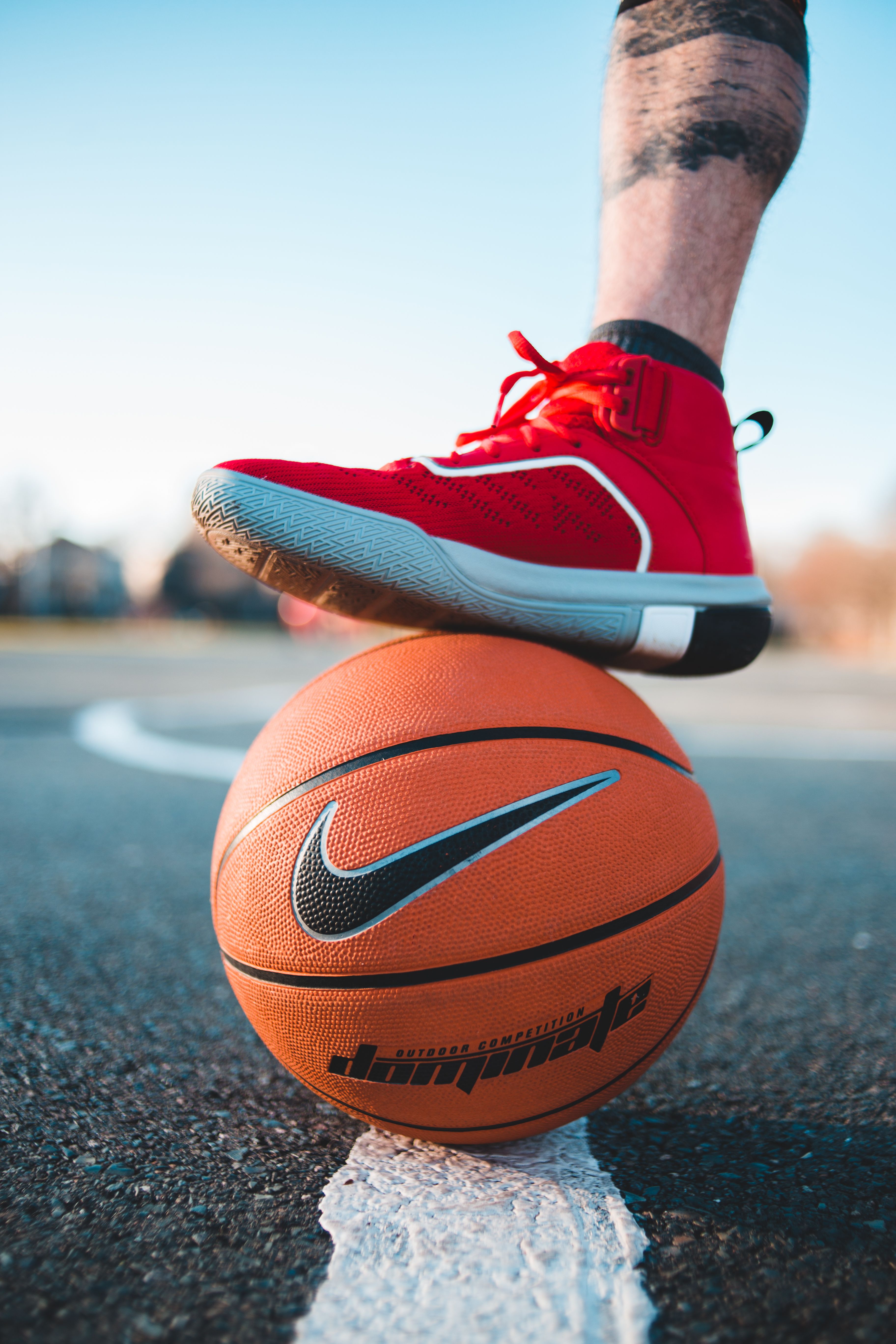

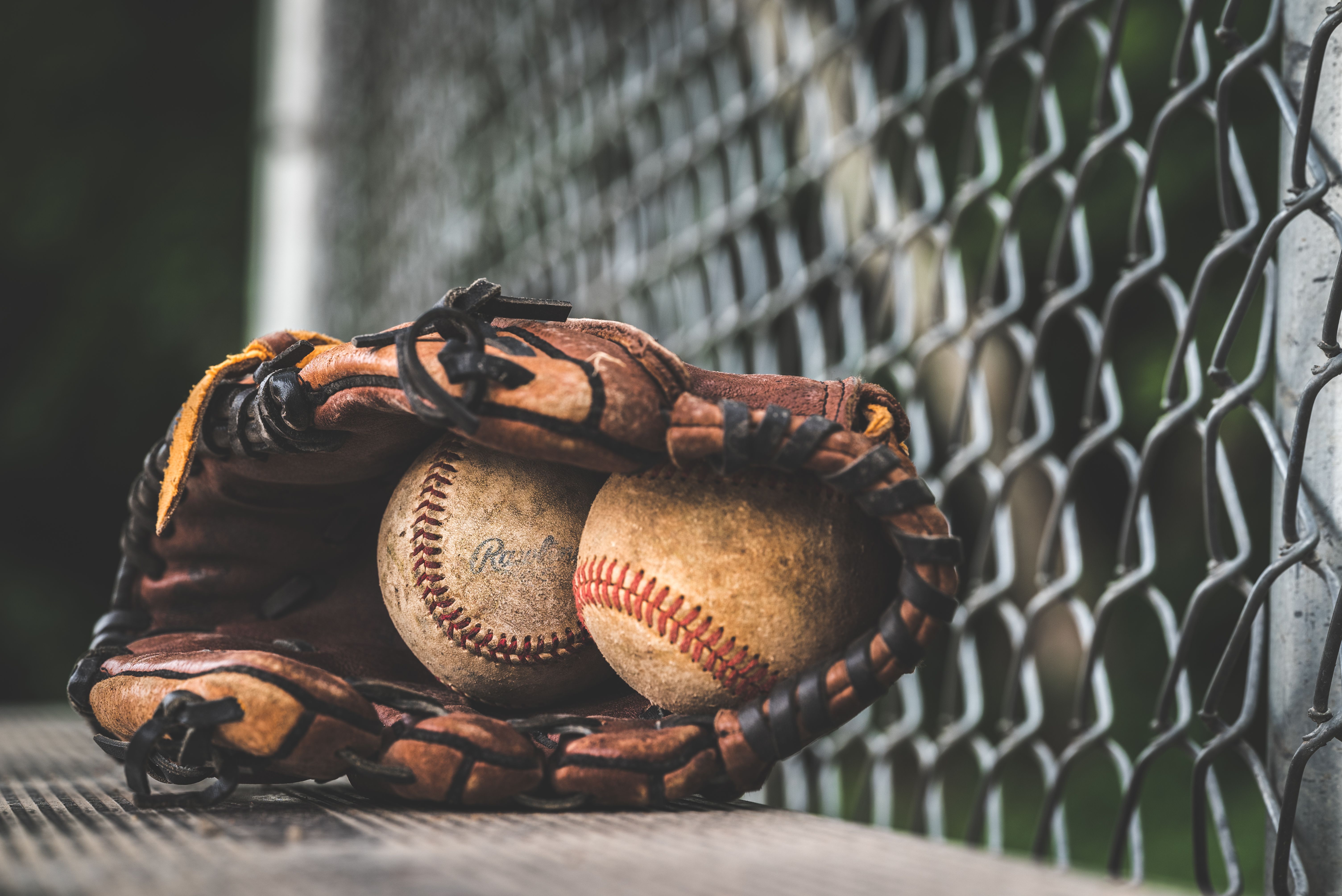
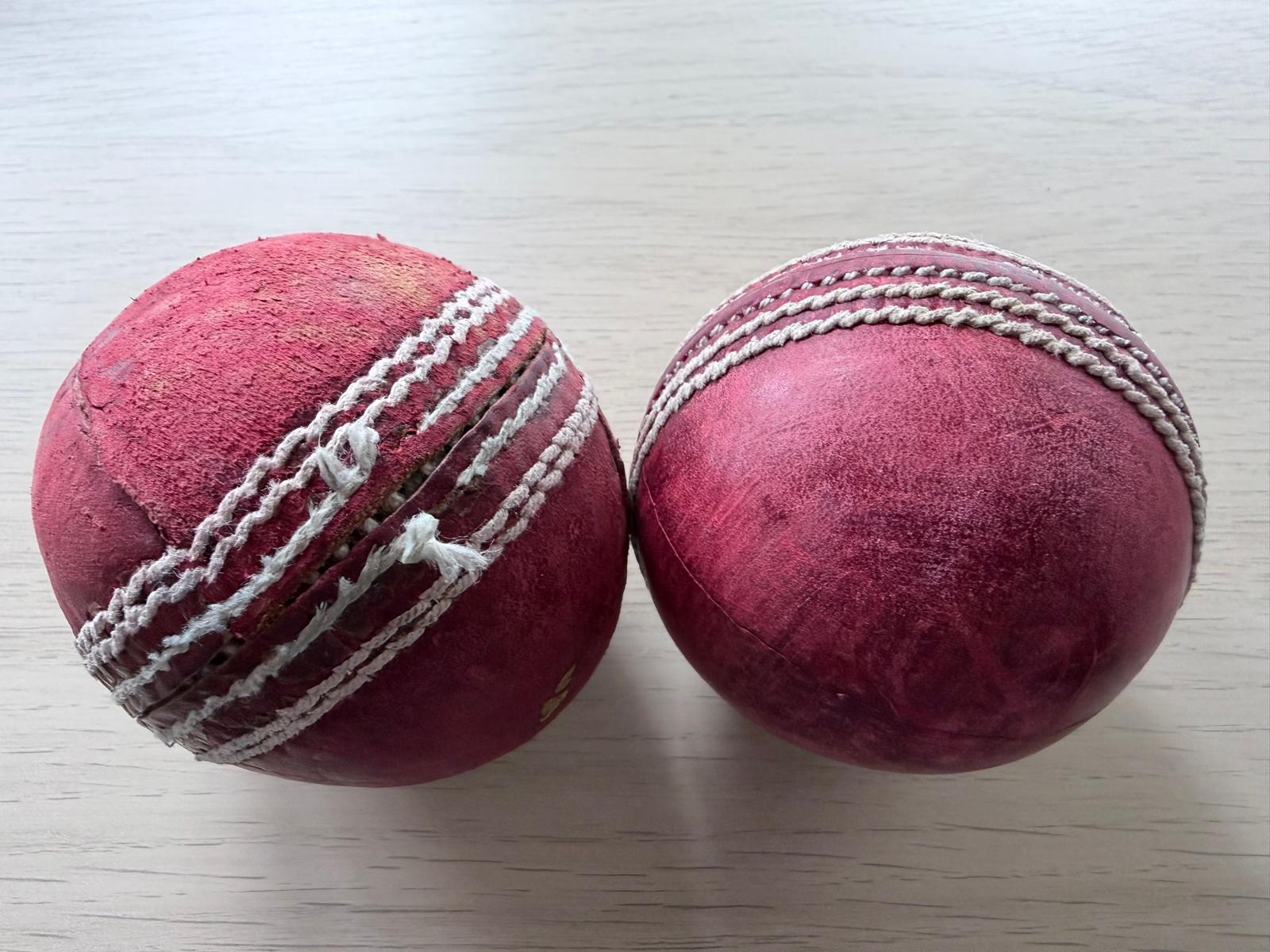
Under the mentorship of an engineering professor from the University of Pennsylvania, I began formal research into advanced bio-based alternatives, including cactus leather, and their suitability for high-performance sporting equipment. This work led to the development of a fully functional, patent-pending cricket ball prototype engineered to match the feel, durability, and performance of traditional leather. Visit our Research Page to track our journey from material exploration to a functional prototype.
Acknowledgements
The Core of Doosra Materials
From providing crucial mentorship about expanding our mission to sourcing materials and actively prototyping new products, we extend our gratitude to these organizations that have played an instrumental role in shaping Doosra Materials.